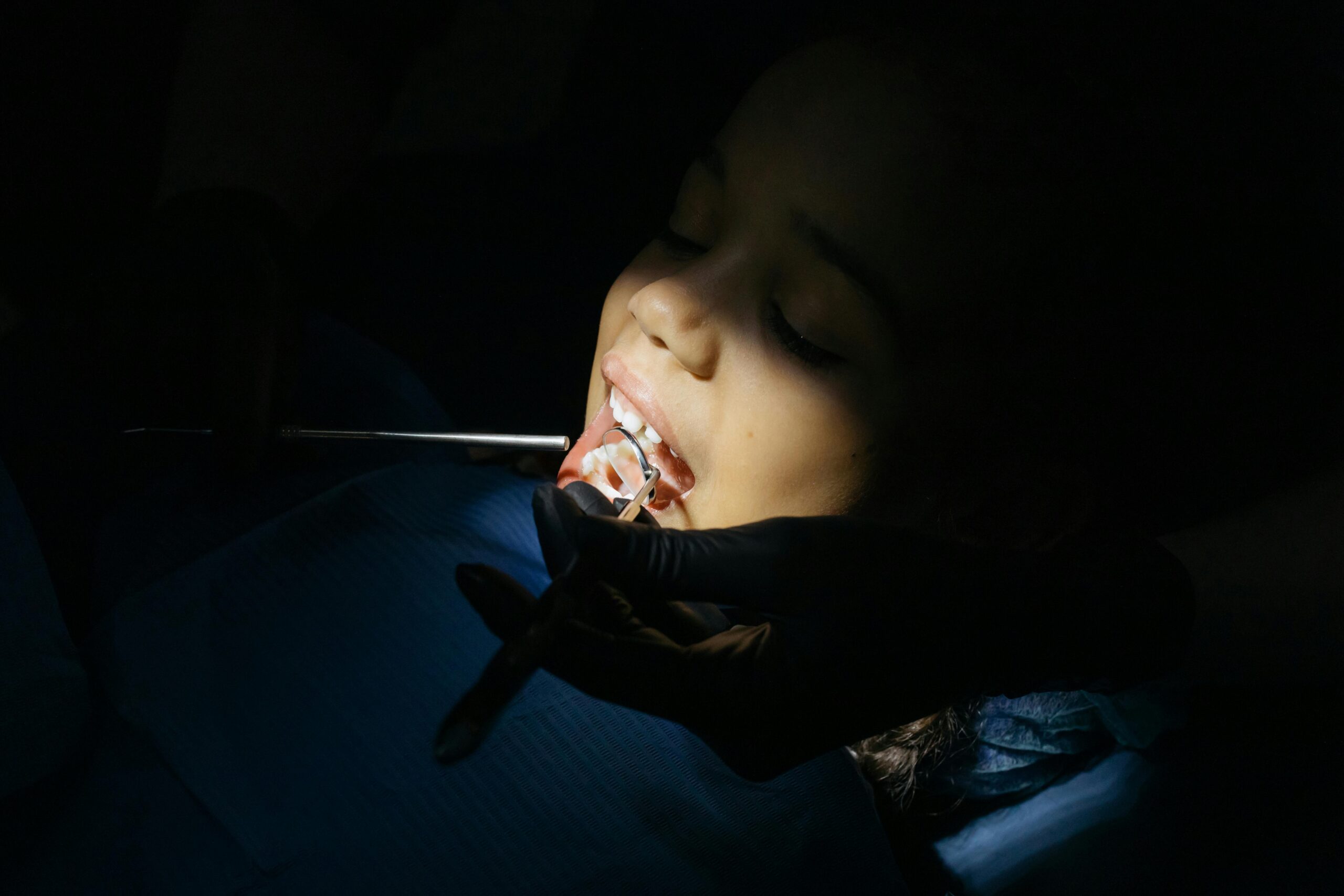
As a dentist practicing in the Inland Empire in California, I hear the same story far too often. A worried parent walks through my door or calls in tears because their child hasn’t slept all night. A simple cavity has turned into a throbbing pain, and now the kid can’t focus at school, won’t eat properly, and barely gets a moment’s relief. The parent has already called several offices, only to be told repeatedly that they don’t accept Medi-Cal or that the next available appointment is weeks or sometimes months away. These are not careless families. They’re hard-working Hispanic families, doing their best to navigate a system that continues to shut them out.
California has the largest Latino population of any state in the U.S., but too many working-class families still struggle to obtain even basic dental care. Many parents work long hours in agriculture, manufacturing, and service jobs, often relying entirely on public insurance to cover their children’s health needs. But when it comes to dental care, access remains limited, fractured, and unreliable. While healthcare equity is slowly becoming a state priority, oral health remains in the shadows, even though it directly affects a child’s ability to thrive at home and school.
Across California, Latino children are almost twice as likely to suffer from untreated tooth decay compared with White children. This imbalance shows up in the classroom and at home – missed school days, difficulty eating, screech challenges, and emotional distress. Dental issues don’t just resolve on their own. When left untreated, they may worsen and turn to infections and dental emergencies that could have been prevented with timely care.
Many families have Medi-Cal coverage, but equitable access remains out of reach. Even with California’s substantial Medicaid budget of over $90 billion annually, the latest financial constraints threaten preventive services, including school screenings, dental sealants, fluoride treatments, and routine checkups. The building blocks of long-term oralhealth are these essential services, especially for children.
Statewide data confirm the urgency of this crisis. According to the 2018–2019 California Third Grade Smile Survey, 61% of third graders have experienced tooth decay, and 22% have untreated cavities—with Latino children disproportionately affected. Despite the fact that tooth decay rates have slightly improved since the mid-2000s, disparities still persist along racial, ethnic, and socioeconomic lines. The survey highlighted the regional differences as well, with Central Valley communities, including Tulare County, experiencing some of the highest rates of untreated decay. These findings highlight the fact that dental inequities are not just isolated incidents, but a systemic problem that directly affects children’s ability to learn, eat, and thrive.
A major contributor to this crisis is California’s low reimbursement rate for dentists who accept Medi-Cal. These rates are amongst the lowest in the country. Many small and mid-sized dental practices simply cannot afford to take on large numbers of Medi-Cal patients without jeopardizing their financial stability.
As a result, families across the state often face a reality that statistics alone don’t capture: parents calling every clinic in town with no success. By the time they finally secure an appointment, sometimes in another city, the child’s dental problem has aggravated. In 2022, less than half of the children enrolled in Medi-Cal received a preventive dental visit. It’s a chilling result that is bound to inequity and healthcare issues.
California Can Replace the Dental Care Disparity With Clear Action
California can turn the tables on the oral health gap affecting Latino children, but first, it must focus on solutions that directly improve access. Increasing Medi-Cal reimbursement rates is one essential step. Competent and realistic compensation would allow more local dental practices to accept Medi-Cal patients without risking financial instability, ultimately expanding options for families.
The state must also bring dental care directly to children. Mobile dental clinics and school-based services reduce many of the barriers parents face. This includes transportation, limited clinic hours, and long wait times. Further, children are far more likely to receive timely care when screenings, cleanings, and early treatments are available at school or in the neighborhood.
Community outreach must also be strengthened. Many parents still don’t know where to obtain affordable care or which dental services are covered for their children. Participation in preventive programs can be significantly increased through clear, bilingual education campaigns in schools, churches, community centers, and local events.
Finally, the state must integrate dental care with overall healthcare more closely. Pediatricians often identify early signs of dental issues, yet referrals do not always result in actual appointments. With better coordination between medical and dental providers, shared records, and co-located services, fewer children would fall through the gaps in the currently disjointed medical system.
California has long been seen as a leader in healthcare innovation, and children’s oral health should benefit equally, especially in heavily Latino communities. No child should lose sleep because their parents cannot find a dentist who accepts their insurance. Until access to dental care is as universal as the need, the promise of healthcare equity for all children will remain unfulfilled.
Dr. Paula Izvernari is a seasoned Montclair, California dentist and an associate professor at Loma Linda University. She is also a proud US Navy veteran advocating for equitable dental care and dedicated to improving children’s oral health in her community.